CFeS 2025(3): 45-49 Tomorri Mt

Published online in:

Chronicles
Fluturat e Shqipërisë

CFeS 2025(3): 45-49.

.

Tirana University
Faculty of Natural Sciences
Department of Biology

Where the sky touches the slopes: critical insights into the butterfly biodiversity of Tomorri Mountain.

Publication date: 30.xii.2025.
DOI: https://doi.org/10.5281/zenodo.17847878

Anila Paparisto*1 | Sylvain Cuvelier2 

1 University of Tiranë, Albania.
2 Diamantstraat 4, B-8900 Ieper, Belgium.
* Corresponding author: anila.paparisto@unitir.edu.al


Abstract
The Tomorri Mountain in central Albania, with steep limestone ridges, forests, and high-altitude meadows, harbors a rich butterfly fauna. Elevations above 2,400 m create diverse habitats supporting both widespread and regionally rare species. Field surveys from 2017–2024 added five new species and confirmed 30 previously recorded, totaling 94 species across six families. Notably, Erebia gorge (Hübner, [1804]) was recorded at 14 sites, the only known southern Albanian locality, and Driopa mnemosyne (Linnaeus, 1758), a Near Threatened species, was reconfirmed. Thirteen species of national or global conservation concern, ten showing declining trends, emphasize the area’s ecological importance. Some historically reported species were absent, possibly due to data gaps or population declines. These results underscore the need for systematic long-term monitoring and targeted conservation to safeguard Tomorri’s unique butterfly assemblages.

Key words
Papilionoidea, Lepidoptera, Biodiversity, Tomorri Mountain, Albania.

Introduction
Based on the data published in January 2025 on the scientific website of the Tirana University “Fluturat e Shqipërisë”, 208 species of butterflies have been confirmed in Albania out of 496 butterflies listed in Wiemers et al. (2018). Taymans & Cuvelier (2025) present a comprehensive checklist on all butterfly species in the Western Palearctic region, detailing their distribution by country. In the Balkans, excluding the Greek islands, this checklist documents a total of 256 recorded species to date.

Methods
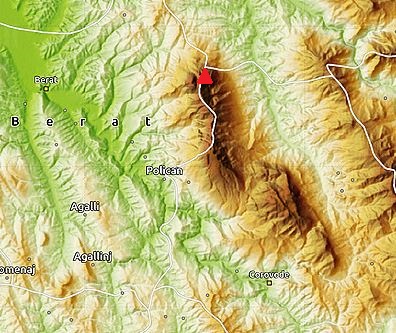
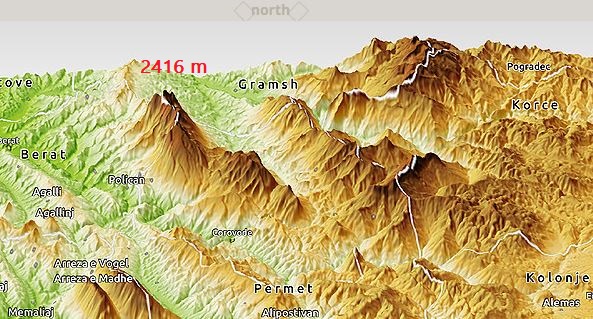
Field studies were conducted on Tomorri Mountain (Fig. 1-2) from 2017 to 2024, focusing on butterfly species diversity and distribution. Butterfly surveys were carried out opportunistically across multiple sites, with sampling efforts spread throughout different seasons to capture a broad spectrum of species. The surveys involved visual observation photographing specimens and capture techniques, including netting for identification. A variety of habitats within the mountain range were surveyed, including forests, meadows, and rocky areas, to ensure comprehensive coverage of potential butterfly habitats. Species identification was based on morphological features, and the taxonomic classification followed established guides and reference materials. Additionally, historical records and previous studies were consulted to compare our findings with earlier species reports. Data on the distribution of species were recorded by GPS coordinates for each site, and the presence or absence of species was documented accordingly. The study focused on both common and rare species, with particular attention given to those with national or global conservation significance, as indicated by their status on the IUCN Red List and local regulations.


Fig. 1. 2D topographic Map of Tomorri Mountain (Adapted from Maphill)
Fig. 2. 3D terrain Map of Tomorri Mountain (Adapted from Maphill)

Results and discussion
Literature analyses (Alberti 1965; Beshkov & Misja 1995; Cuvelier et al. 2018a; Cuvelier et al. 2018b; Cuvelier & Paparisto 2025; Misja & Kurrizi 1984; Misja 1993; Misja 2005; Misja 2006; Murraj 1972; Rebel & Zerny 1931; Šašić 2015; Tolman & Lewington 1997) have documented 89 butterfly species on Tomorri Mountain (Table 1). Our recent field studies (2017–2024) have added five new species to the historical records: Thymelicus lineola (Ochsenheimer, 1808); Euchloe ausonia (Hübner, [1804]); Polyommatus eros (Ochsenheimer, 1808); Satyrium ilicis (Esper, [1779]) and Polygonia c-album (Linnaeus, 1758). Additionally, 30 species have been confirmed: Iphiclides podalirius (Linnaeus, 1758); Papilio machaon Linnaeus, 1758; Driopa mnemosyne (Linnaeus, 1758); Ochlodes sylvanus (Esper, 1777); Erynnis tages (Linnaeus, 1758); Pyrgus sidae (Esper, [1784]); Colias croceus (Geoffrey, 1785); Gonepteryx rhamni (Linnaeus, 1758); Aporia crataegi (Linnaeus, 1758); Pieris ergane (Geyer, [1828]); Lycaena candens (Herrich-Schäffer, [1844]); Lycaena phlaeas (Linnaeus, 1761); Kretania sephirus (Frivaldszky, 1835); Polyommatus dorylas ([Denis & Schiffermüller], 1775); Satyrium spini ([Denis & Schiffermüller], 1775); Charaxes jasius (Linnaeus, 1767); Issoria lathonia (Linnaeus, 1758); Aglais io (Linnaeus, 1758); Aglais urticae (Linnaeus, 1758); Melitaea didyma (Esper, [1778]); Melitaea trivia ([Denis & Schiffermüller], 1775); Vanessa cardui (Linnaeus, 1758); Coenonympha pamphilus (Linnaeus, 1758); Erebia medusa ([Denis & Schiffermüller], 1775); Lasiommata maera (Linnaeus, 1758); Lasiommata megera (Linnaeus, 1767); Maniola jurtina (Linnaeus, 1758); Melanargia galathea (Linnaeus, 1758); Melanargia larissa (Geyer, [1828]) and Melanargia russiae (Esper, [1783]).
In total, the number of butterfly species recorded on Tomorri Mountain now stands at 94, distributed across six families: Papilionidae (3), Hesperiidae (15), Pieridae (15), Lycaenidae (21), Riodinidae (1), and Nymphalidae (39). (Table 1).
Among the 94 species recorded on Tomorri Mountain, Vanessa cardui (Linnaeus, 1758) is the most frequently observed, appearing in 20 sites. However, as a migratory species, it is not the most reliable indicator for biodiversity assessments. The next most widespread species is Polyommatus icarus (Rottemburg, 1775), found in 18 sites. Melanargia russiae (Esper, [1783]) was found in 17 sites, which is noteworthy given the species' restricted distribution in Albania. Colias croceus (Geoffrey, 1785) and Issoria lathonia (Linnaeus, 1758) were found in 16 sites, followed by Erebia gorge (Hübner, [1804]), which was recorded in 14 sites. Notably, this is the only known locality for E. gorge in Southern Albania known to us.
Also, among the currently known species for the Tomorri Mountain, there are also less frequent species. Here we are presenting 29 species found only in one site: Anthocharis cardamines (Linnaeus, 1758); Aporia crataegi (Linnaeus, 1758); Argynnis pandora ([Denis & Schiffermüller], 1775); Argynnis paphia (Linnaeus, 1758); Boloria dia (Linnaeus, 1767); Carcharodus alceae (Esper, [1780]); Coenonympha arcania (Linnaeus, 1761); Charaxes jasius (Linnaeus, 1767); Erebia ottomana Herrich-Schäffer, [1847]; Erynnis marloyi (Boisduval, [1834]); Euchloe ausonia (Hübner, [1804]); Gegenes pumilio (Hoffman[n]segg, 1804); Gonepteryx cleopatra (Linnaeus, 1767); Hipparchia volgensis (Mazochin-Porshnjakov, 1952), the identification of H. volgensis remains uncertain, as it was not confirmed through genitalia dissection however, it undoubtedly belongs to a species within the subgenus Parahipparchia; Iolana iolas (Ochsenheimer, 1816); Leptidea duponcheli (Staudinger, 1871); Lysandra coridon (Poda, 1761); Melitaea cinxia (Linnaeus, 1758); Melitaea ornata Christoph, 1893; Muschampia floccifera (Zeller, 1847); Nymphalis polychloros (Linnaeus 1758); Polyommatus admetus (Esper, [1783]); Polyommatus eros (Ochsenheimer, 1808); Polygonia c-album (Linnaeus, 1758); Pyrgus malvae (Linnaeus, 1758); Satyrium ilicis (Esper, [1779]); Speyeria aglaja (Linnaeus, 1758); Thymelicus acteon (Rottemburg, 1775) and Thymelicus lineola (Ochsenheimer, 1808). In this list, 24 species are identified solely from historical data, while the five species (E. ausonia; P. eros; P. c-album; S. ilicis and T. lineola) were recorded by us for the first time from 2017 to 2024. From this list only Charaxes jasius (Linnaeus, 1767) is reconfirmed based on recent observations.
The following species, according to historical data, have been recorded at only two sites: Aricia agestis ([Denis & Schiffermüller], 1775); Aricia artaxerxes (Fabricius, 1793); Celastrina argiolus (Linnaeus, 1758); Glaucospyche alexis (Poda, 1761); Hamearis lucina (Linnaeus, 1758); Hipparchia fagi (Scopoli, 1763) and Hipparchia semele (Linnaeus, 1758) the identification of H. semele is doubtful, based on genitalia dissection the species has only be confirmed from N. Albania, it undoubtedly belongs to a species within the subgenus Parahipparchia and might overlap with the previously mentioned H. volgensis or might also be Hipparchia senthes (Fruhstorfer, 1908); Hyponephele lycaon (Kühn, 1774); Lycaena alciphron (Rottemburg, 1775); Lysandra bellargus (Rottemburg, 1775); Ochlodes sylvanus (Esper, 1777); Pieris rapae (Linnaeus, 1758); Polygonia egea (Cramer, [1775]); Pontia edusa (Fabricius, 1777) and Pyrgus serratulae (Rambur, [1839]). Among these, only 2 species were reconfirmed by us from 2017 to 2024: Aricia agestis ([Denis & Schiffermüller], 1775) and Ochlodes sylvanus (Esper, 1777).
Many species were not observed again between 2017 and 2024. As the data collection was purely opportunistic and not part of long-term monitoring, it remains unclear whether this reflects inadequate prospecting or a decline in the species.
Based on both historical records and our data, 13 species of national and global significance have been identified in Tomorri Mountain. These species are classified according to IUCN criteria as Near Threatened (NT) and Vulnerable (VU) in Albania, based on the Red List of Albanian Butterflies (2022), further referred to as Red List (2022) and the European Red List of Butterflies (2010). The identified species are:
1. Driopa mnemosyne (Linnaeus, 1758) - NT for Albania; NT A2c European Red List 2010. This species is also listed under Annex IV of the Habitat Directive and the Bern Convention. Based on historical data, D. mnemosyne has always been part of the biodiversity of Tomorri Mountain, with five reported locations. We reconfirmed the presence of this species during our field visits. According to the Red List (2022) this species is in decline. D. mnemosyne is a medium size butterfly, white wings with two black dots and a wide grey marginal border. The female abdomen features a large sphragis. D. mnemosyne inhabits flowery clearings and glades in deciduous and mixed forests, mountain slopes up to high alpine slopes from 450 up to 2200 m a.s.l. Active from end-April at lower elevations till July at high altitudes. Caterpillars feed on Corydalis sp., also mentioned is Pseudofumaria alba.
2. Thymelicus acteon (Rottemburg, 1775) - NT for Albania; NT A2b European Red List 2010. This species is reported in the literature from a single location on Tomorri Mountain. T. acteon is a small butterfly with a single generation from May to August. It inhabits sunny grassbanks and meadows, typically along the edges of short and tall grass vegetation in open landscapes, up to 2000 m a.s.l. Caterpillars feed on Carex caryophyllea, Achnatherum calamagrostis, Arrhenatherum elatius, Brachypodium sp., Bromus erectus, Calamagrostis sp., Elymus repens, Hyparrhenia hirta, Poa annua, Setaria verticillata and Stipa pennata. According to the Red List (2022) this species is in decline.
3. Erynnis marloyi (Boisduval, [1834]) – VU for Albania; LC European Red List 2010. E. marloyi is a small, dark brown-black butterfly that inhabits expansive, hot grasslands in mountainous, rocky areas, primarily on calcareous soils in gullies up to 1500 m a.s.l. The caterpillars feed on Prunus cocomilia, P. spinosa, and Pyrus amygdaliformis. E. marloyi is not considered endangered, but in Albania, it is found at the northern edge of its European range in the Balkan Peninsula. This species is reported in the literature from a single location on Tomorri Mountain. According to the Red List (2022) this species is in decline.
4. Muschampia floccifera (Zeller, 1847) - VU for Albania; NT A2c European Red List 2010. This species is reported from literature only in one site of Tomorri Mountain. M. floccifera is a small, dark grey-brown butterfly, marbled with darker striae, with one to two generations (depending on altitude) from May to August. It inhabits flowery banks and rough ground, ranging from lower elevations (less commonly) to alpine levels, preferring cooler, moist areas between 200 and 2000 m a.s.l. The caterpillars primarily feed on Stachys sp. and Marrubium sp., with additional host plants including Ballota nigra, Betonica sp., and Leonurus cardiaca. This species is reported in the literature from only a single location on Tomorri Mountain.
5. Gonepteryx cleopatra (Linnaeus, 1767) - NT for Albania; LC European Red List 2010. This species is reported in the literature from only a single location on Tomorri Mountain. It is a large butterfly with deep orange wings and a yellow marginal border. It has a single generation from June to August, with an extended lifespan, overwintering and emerging again by May. Caterpillars feed on Rhamnus sp. According to the Red List (2022) this species is in decline.
6. Leptidea duponcheli (Staudinger, 1871) – VU B1 for Albania; LC European Red List 2010. This species is reported in the literature from only a single location on Tomorri Mountain. It is a small butterfly, white with a faint yellowish flush and grey apical markings. It has two to three generations (at lower altitudes) from April to September. L. duponcheli inhabits warm, sunny, scrub-rich, open wooded rocky areas at moderate altitudes, up to 1200 m a.s.l. The caterpillars feed on Onobrychis sp., Lathyrus sp. and Lotus sp, also mentioned are Medicago sativa falcata and Vicia sp. According to the Red List (2022) this species is in decline.
7. Lycaena candens (Herrich-Schäffer, [1844]) – VU for Albania; LC European Red List 2010. This species is reported in the literature from three locations on Tomorri Mountain. We reconfirmed its presence during our field visits. It is a small butterfly with distinct purple reflections and a single generation from June to August. L. candens inhabits moist, flowery mountain meadows near running water and open areas within forests, ranging from 1000 to over 2000 m a.s.l. Caterpillars feed on Rumex acetosa.
8. Glaucospyche alexis (Poda, 1761) – VU for Albania; LC European Red List 2010. This species is reported in the literature from two locations on Tomorri Mountain. It is a small butterfly with sky-blue wings and a broad black marginal border, without any markings. G. alexis inhabits flowery grasslands with scattered shrubs on slopes, ranging from lowland areas up to 1500 m a.s.l. Caterpillars feed on different Fabaceae: Astragalus sp., Colutea arborescens, Genista sp., Lathyrus sp., Lotus sp., Medicago sp., Melilotus sp., Onobrychis sp., Securigera varia and Vicia sp. According to the Red List (2022) this species is in decline.
9. Iolana iolas (Ochsenheimer, 1816) – VU for Albania; NT A2c European Red List 2010. This species is reported in the literature from a single location on Tomorri Mountain. It is a medium-sized butterfly and the largest Lycaenidae species in the Balkan Peninsula. Its wings are bright violet-blue with a narrow black marginal border and are unmarked. The species has a single generation, with a partial second generation in some years, from April to August, depending on altitude. I. iolas inhabits hot, rocky areas with shrubs and abundant Colutea arborescens bushes, ranging from lowland regions to over 1000 m a.s.l. According to the Red List (2022) this species is in decline.
10. Polyommatus eros (Ochsenheimer, 1808) – VU for Albania; NT A2c European Red List 2010. We report this species from Tomorri Mountain for the first time. It is a small butterfly with gleaming sky-blue wings, 2 mm black marginal borders, and partially darkened veins. The species has a single generation from June to August. P. eros inhabits open, flowery mountain grasslands, particularly around and above the timberline, ranging from 750 to 2250 m a.s.l. The caterpillars feed on Astragalus sp., Chamaecytisus sp., Genista sp., Lotus corniculatus, Onobrychis montana and Oxytropis sp. According to the Red List (2022) this species is in decline.
11. Pseudophilotes vicrama (Moore, 1865) – VU for Albania; NT A2c European Red List 2010. This species is reported in the literature from four locations on Tomorri Mountain. It is a small butterfly, with males displaying light powdered blue wings and a narrow marginal border, while females are almost entirely black. The hindwings feature orange submarginal lunules. The species has two generations, occurring from late March to August, depending on altitude. P. vicrama inhabits dry, rocky grasslands with scattered bushes or shrubs, ranging from lowland areas up to 2000 m a.s.l. The caterpillars feed on Thymus sp., also mentioned are Mentha spicata and Satureja montana. According to the Red List (2022) this species is in decline.
12. Hamearis lucina (Linnaeus, 1758) – VU B2a for Albania; LC European Red List 2010. This species is reported in the literature from two locations on Tomorri Mountain. It is a small butterfly with chequered fringes and dark brown-black wings, featuring well-defined small fulvous spots arranged in transverse rows. The species has a single generation from April to June, with rare specimens of a partial summer generation. H. lucina inhabits grasslands in open forests, forest edges, and humid clearings within the forest. The caterpillars feed on Primula elatior, P. veris and P. vulgaris. According to the Red List (2022) this species is in decline.
13. Argynnis pandora ([Denis & Schiffermüller], 1775) – VU for Albania; LC European Red List 2010. This species is reported in the literature from a single location on Tomorri Mountain. It is a large butterfly, fulvous in color with a variable greenish-grey suffusion. The species has one or two generations, occurring from May to September. A. pandora inhabits sunny, dry grasslands with shrubs and large flowering plants like thistles and knapweeds, ranging from lowland areas to 1800 m a.s.l. The caterpillars feed on Viola alba, V. arvensis, V. kitaibeliana and V. tricolor.


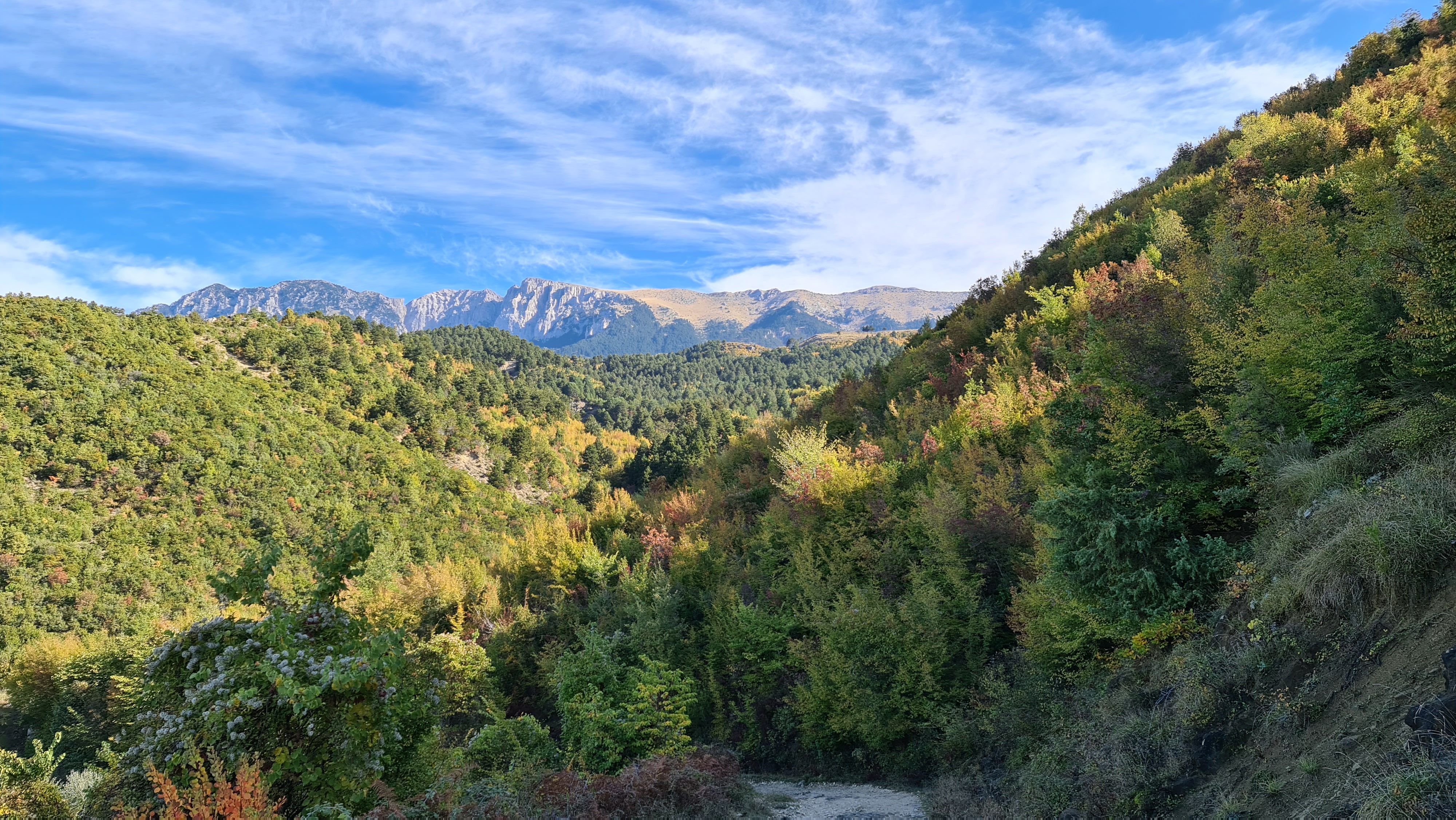
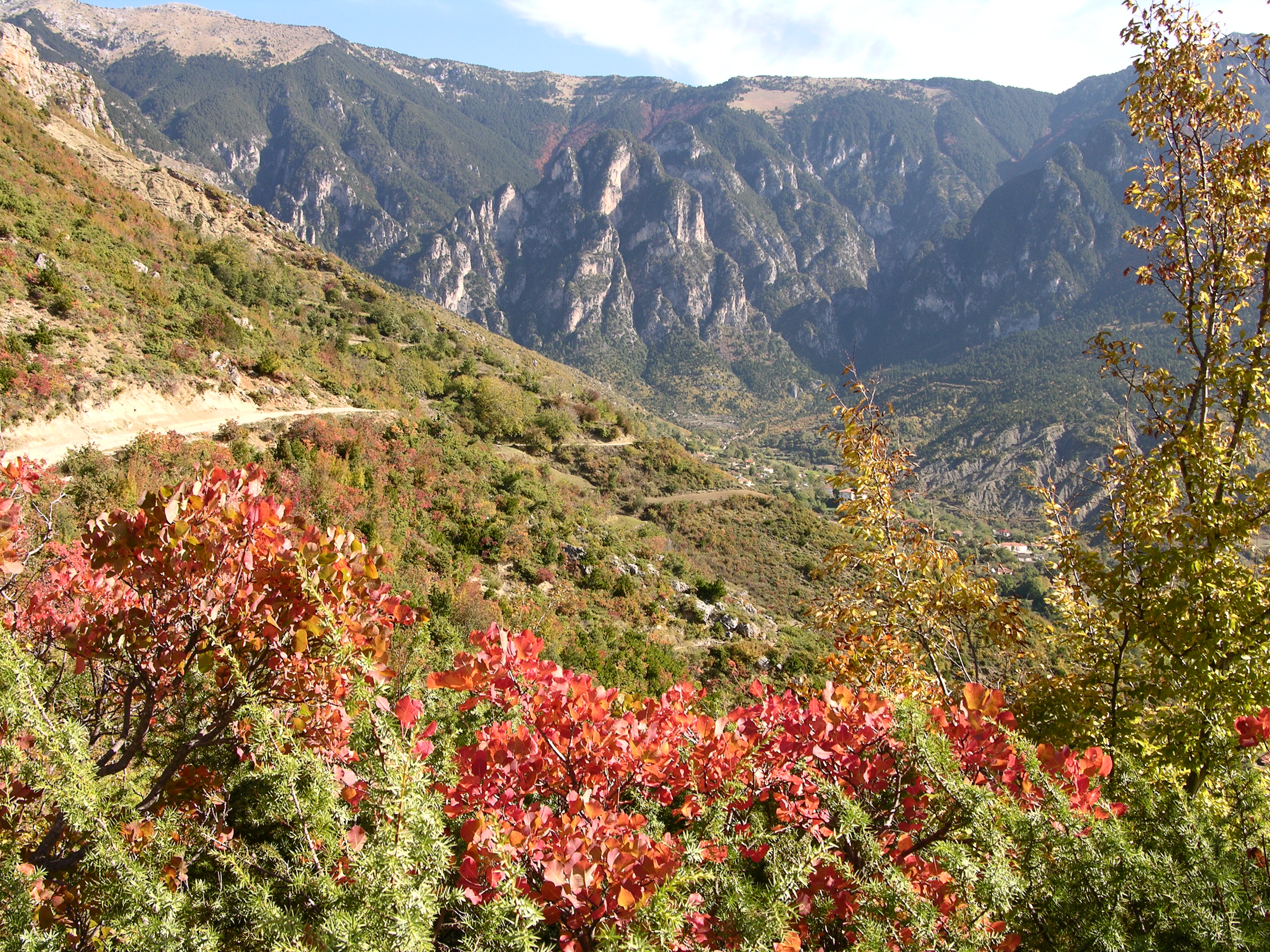
Fig. 3. View from Osumi canyon toTomorri Mt. (© Lulëzim Shuka)


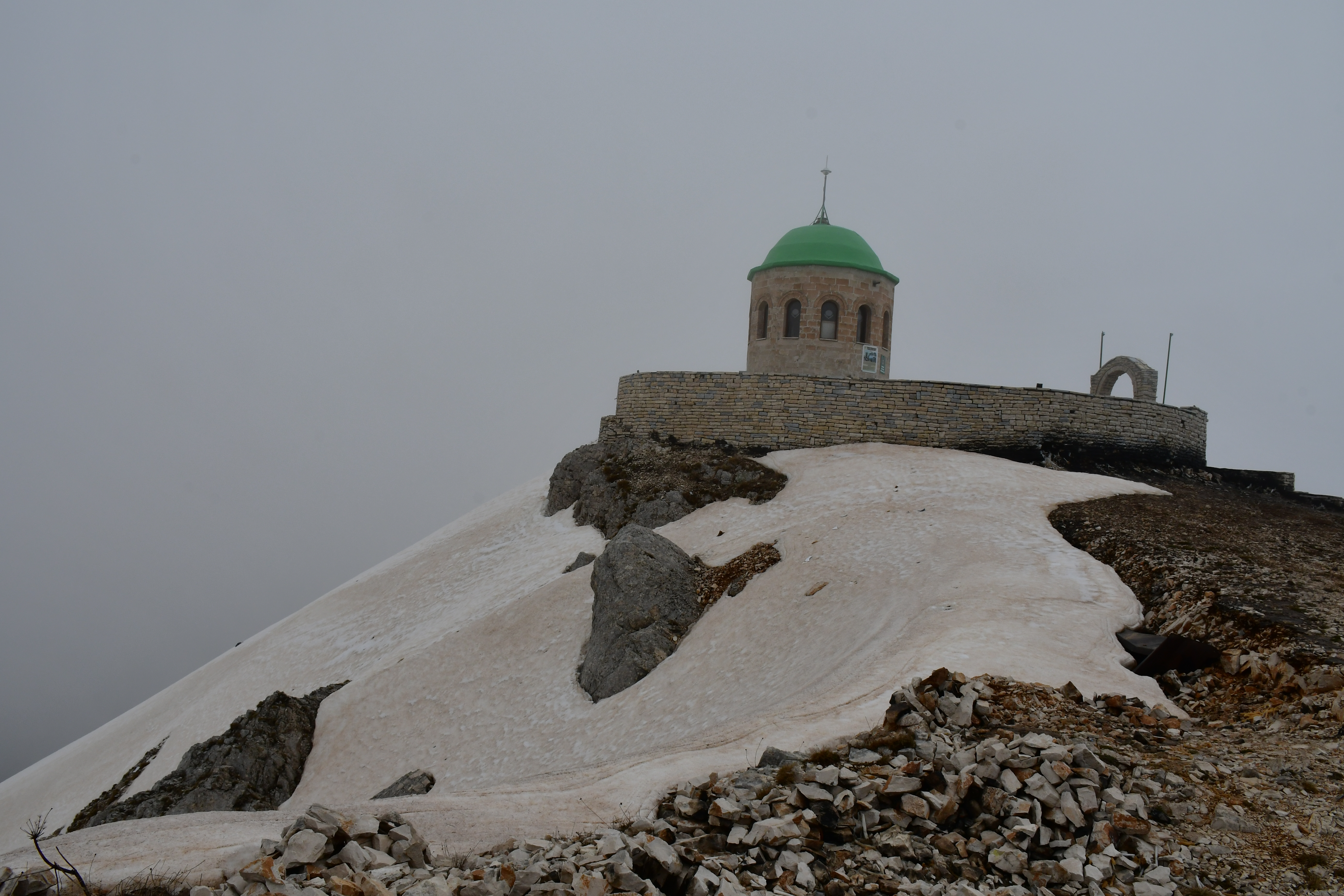
Fig. 4. Tyrbe e Abaz Aliut, Tomorri Mt., 2380 m, 28.iv.2025 (© Sylvain Cuvelier)
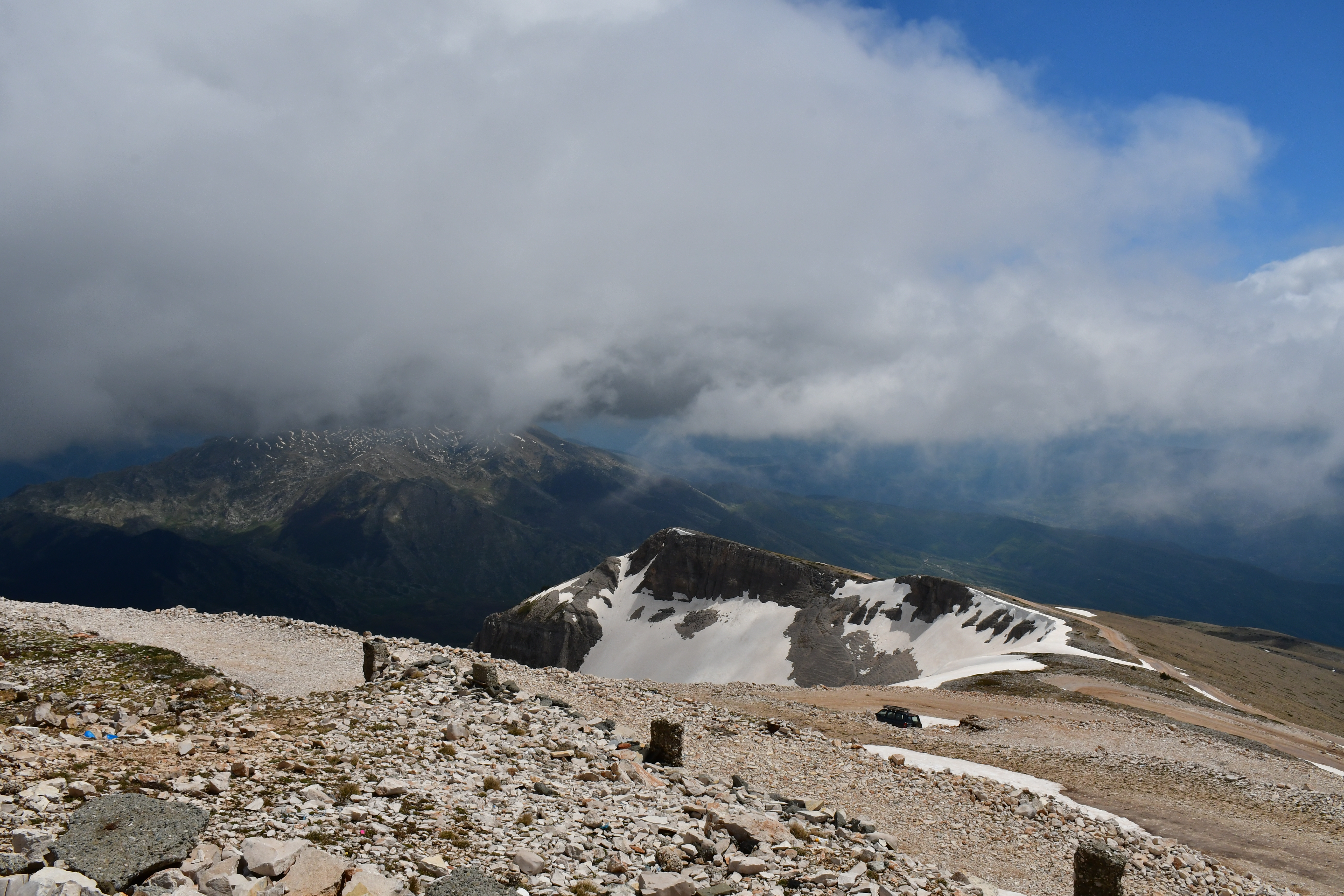
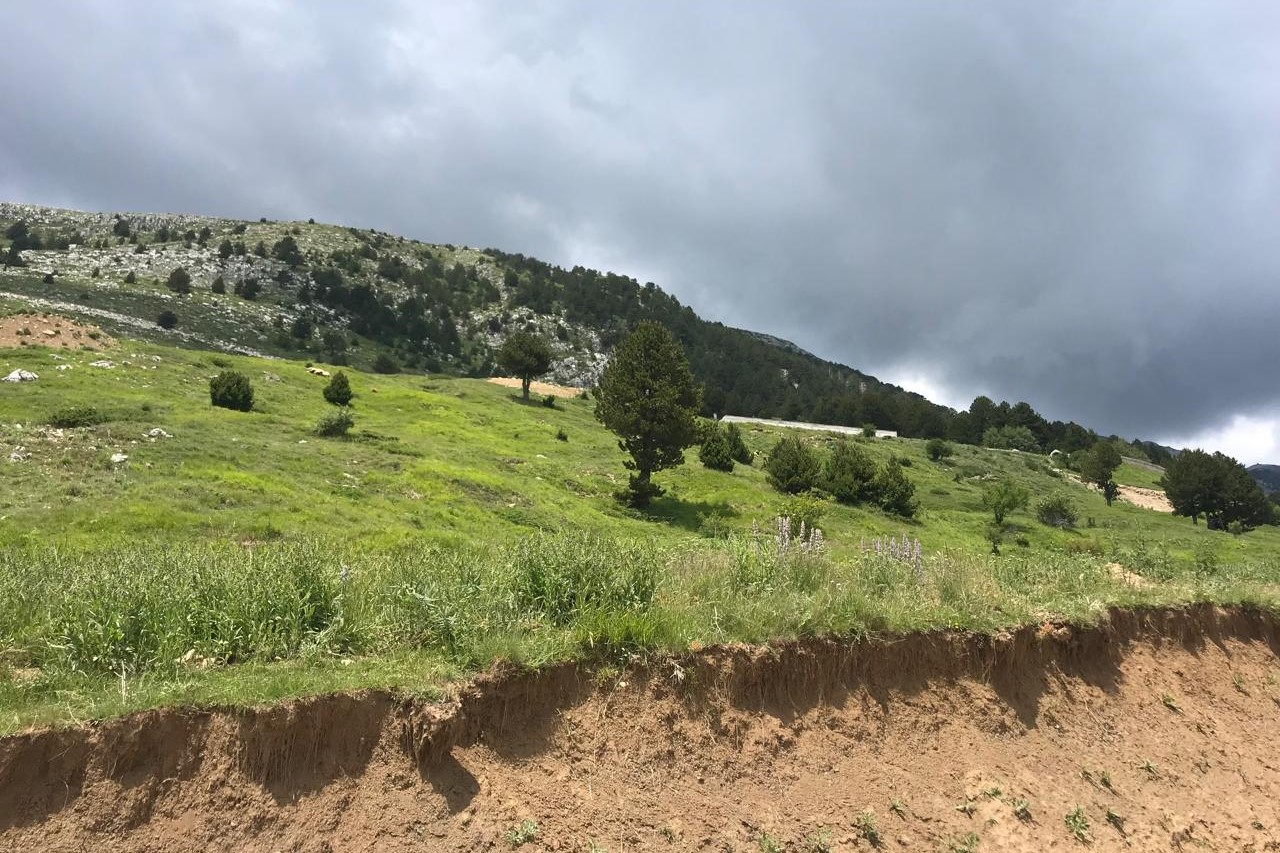
Fig. 5. View down from Tyrbe e Abaz Aliut, Tomorri Mt., 2380 m, 28. iv.2025(© Sylvain Cuvelier)


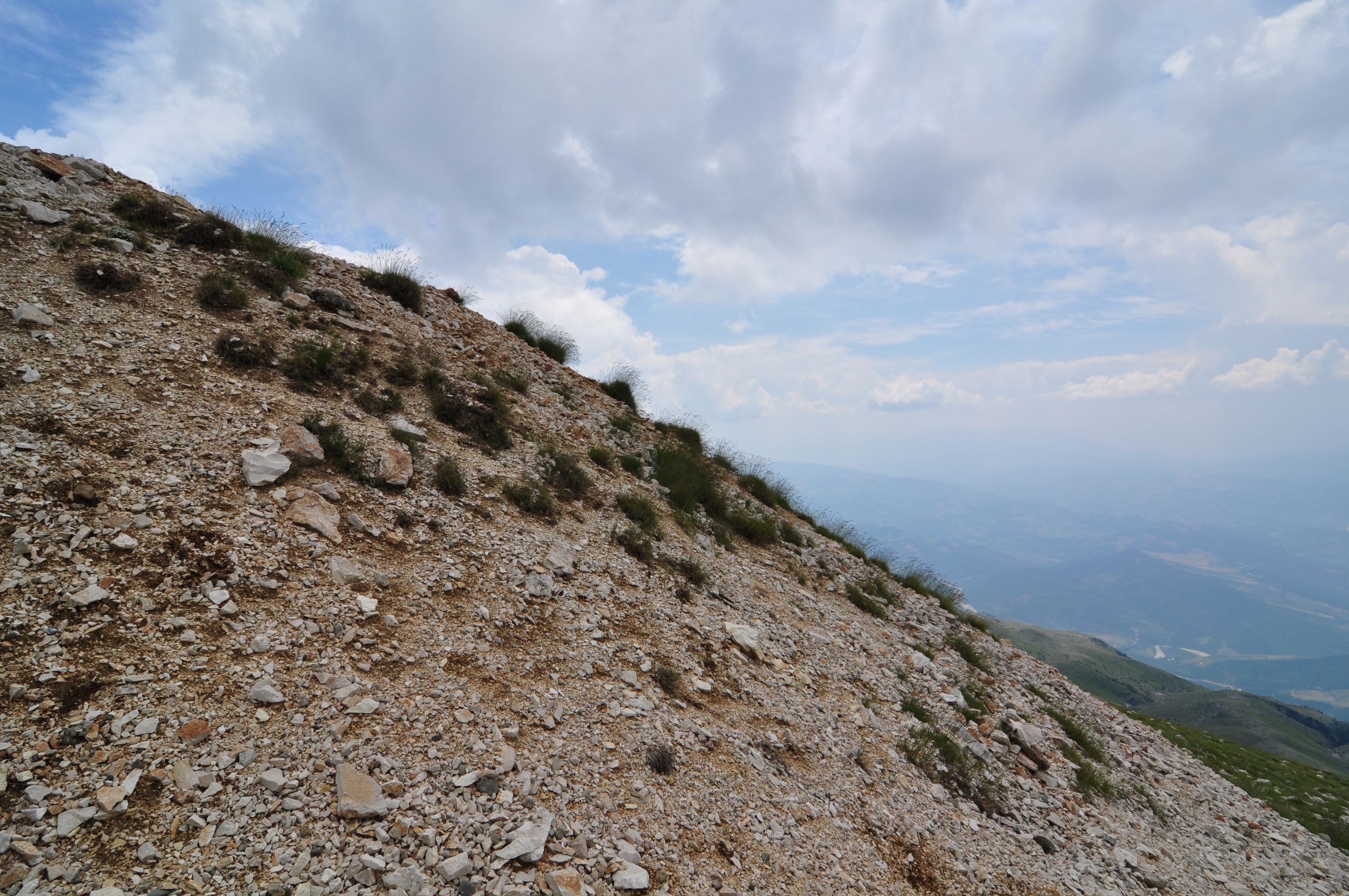
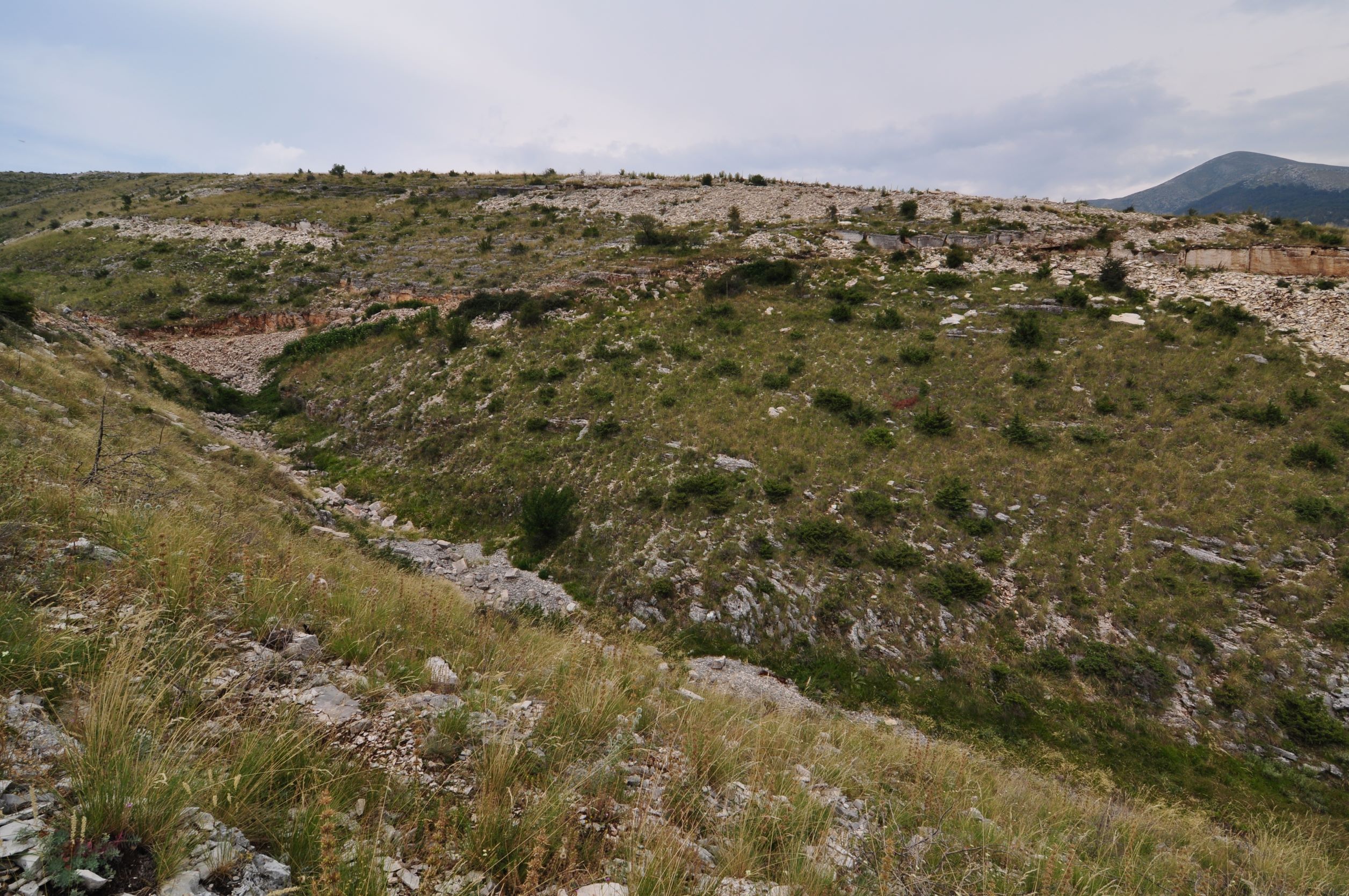
Fig. 6. Microhabitat of Erebia gorge, Tomorri Mt., 21.vii.2013 (© Sylvain Cuvelier)
Fig. 7. Habitat of Erebia gorge, Tomorri Mt., 21.vii.2013 (© Sylvain Cuvelier)


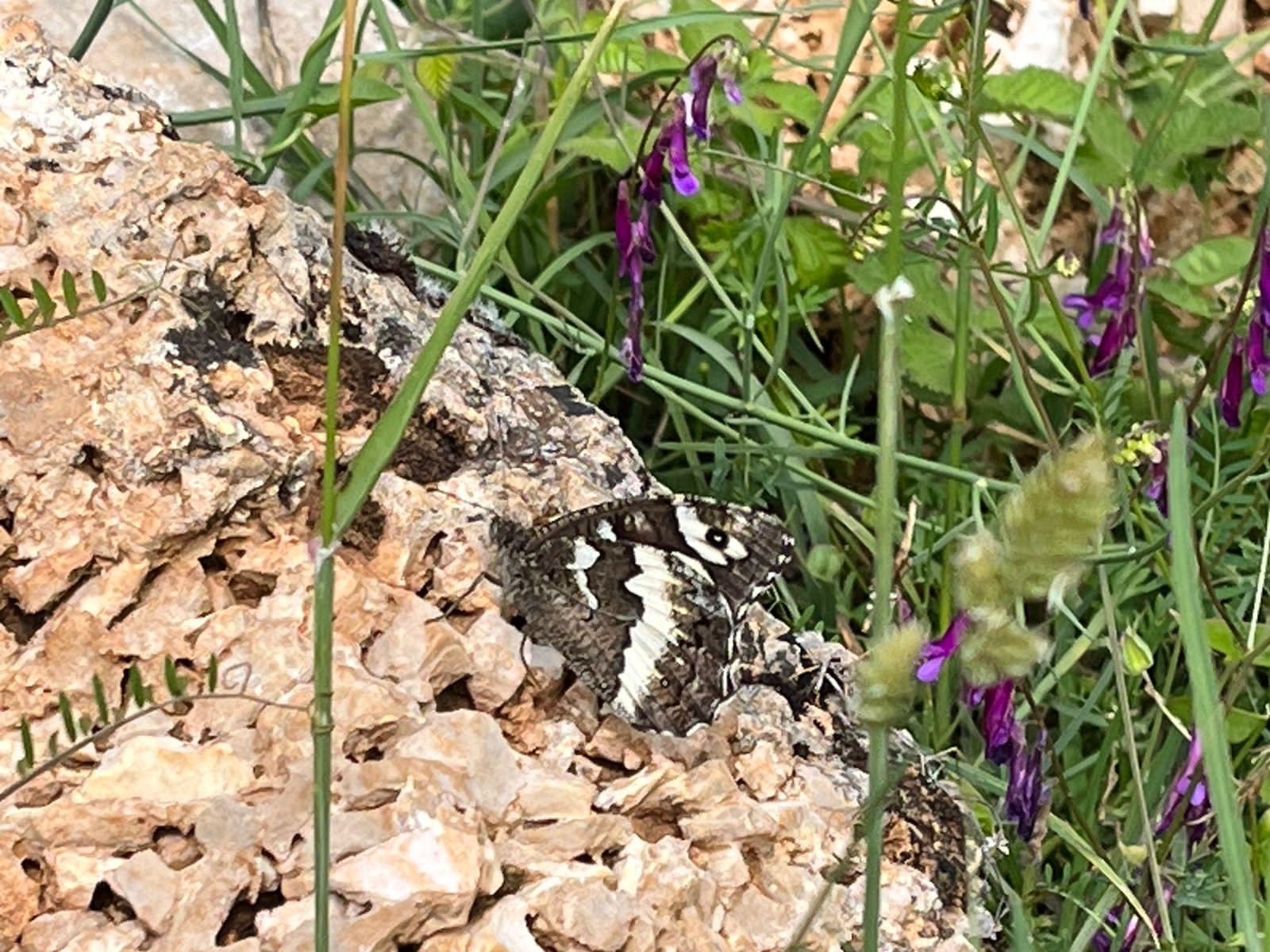
Fig. 8. Brintesia circe, Tomorri Mt., 17.vi.2022 (© Anila Paparisto)
Fig. 9. View to Tomorri Mt. (© Lulëzim Shuka)


Fig. 10. Habitat of Pieris ergane, Tomorri Mt., 1300 m, 20.vii.2013(© Sylvain Cuvelier)
Fig. 11. Springtime at Bektashi Teqia, Tomorri Mt., 1450 m (© Anila Paparisto)


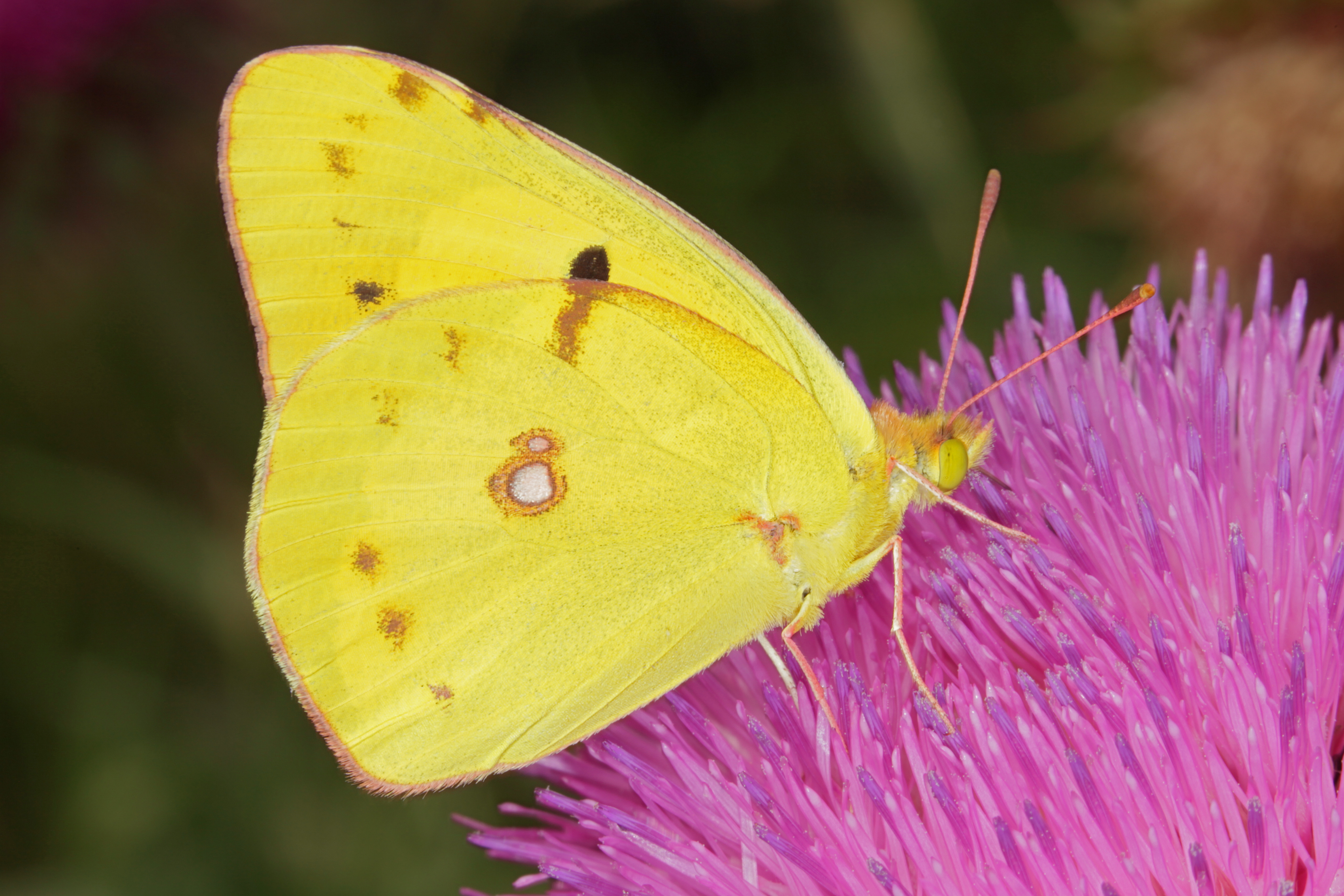
Fig. 12. Colias croceus, Tomorri Mt, 15.vi.2022 (© Anila Paparisto)
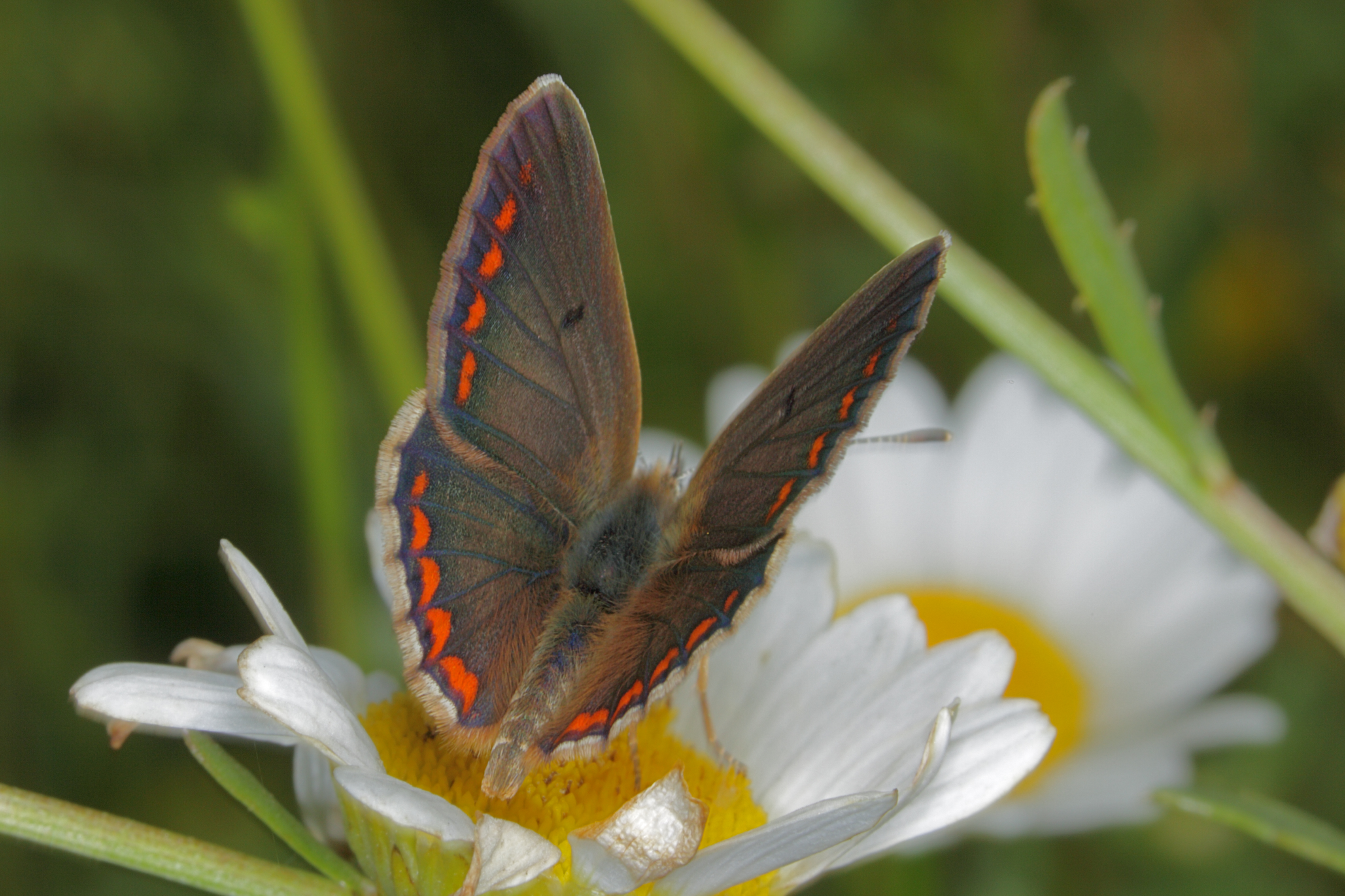
Fig. 13. Aricia agestis, Tomorri Mt, 15.vi.2022 (© Anila Paparisto)
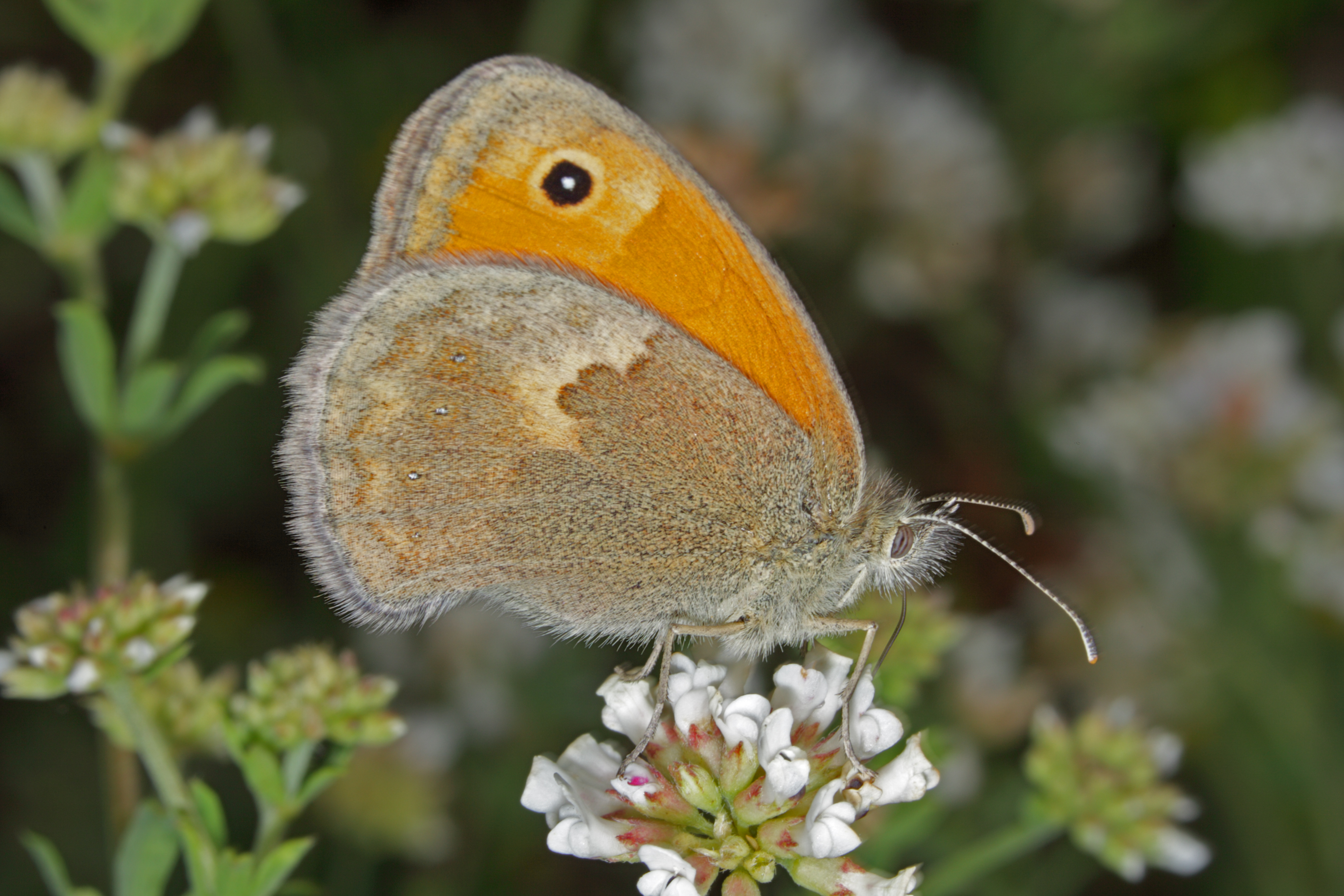
Fig. 14. Coenonympha pamphilus, Tomorri Mt, 15.vi.2022 (© Anila Paparisto)

Conclusions and comments
Our field studies on Tomorri Mountain from 2017 to 2024 have significantly enriched the knowledge of the local butterfly fauna, adding five new species to the historical records and confirming the presence of 30 previously recorded species. This brings the total number of butterfly species documented on Tomorri Mountain to 94, representing six families. Notably, confirmation of Erebia gorge at 14 sites is of particular significance, as it is the only known locality for this species in Southern Albania. Also the presence of Driopa mnemosyne (Linnaeus, 1758) - NT for Albania; NT A2c European Red List 2010 is also important because this species is listed under Annex IV of the Habitat Directive and the Bern Convention. We reconfirmed the presence of this species during our field visits.
Although the region boasts a rich diversity of species, many previously recorded species were not observed during our studies, and the reasons for their absence remain unclear. Given the opportunistic nature of our data collection, this gap may be attributed to limited prospecting efforts or potentially the decline of these species. Furthermore, the identification of 13 species of national and global significance highlights the region's ecological importance. Notably, 10 of these species are experiencing declines, which is particularly concerning given their Vulnerable (VU) and Near Threatened (NT) status on the IUCN Red List.
Our findings highlight the need for more comprehensive and long-term monitoring of butterfly populations on Tomorri Mountain, as our data were not systematically collected. The lack of a formal monitoring program limited the scope of the data, and future studies will aim to address this gap through more structured and continuous monitoring efforts.
The absence of certain species could be attributed to environmental changes, habitat loss, or other ecological factors that may not have been captured in this study. Given the presence of multiple species in decline, Tomorri Mountain may serve as an important focal point for conservation efforts in Southern Albania. The identification of species such as Erebia gorge and Driopa mnemosyne adds further urgency to the need for continued research and targeted conservation actions to protect these unique butterfly populations and their habitats.
In the future, it will be crucial to implement more structured monitoring programs that can provide insights into the long-term trends of butterfly populations in this region, as well as to assess the potential impacts of climate change, land use changes, and other anthropogenic factors.


Author contributions
Anila Paparisto: conceptualisation, field work, analysis, writing - original draft, writing - review.
Sylvain Cuvelier: field work, analysis, visualisation, writing - review and editing.

Both authors have read and agreed to the published version of the manuscript.

Acknowledgements
We sincerely thank Lulëzim Shuka for providing the photographs that greatly enriched this work and we are grateful to Xhuliana Qirinxhi for her careful review, which helped improve the clarity and quality of the text.

References

Alberti B. 1965. Ergebnisse der Albanien-Expedition 1961 des deutschen Entomologischen Institutes. 34. Beitrag. Lepidoptera: Hesperiidae. — Beitrage zur Entomologie 15(5–6): 649–660. (url)

Beshkov S. and Misja K. 1995. “A Contribution to the Knowledge of the Lepidoptera Fauna of Albania: Some Materials from the Collection of K. Misja in the Natural History Museum of Tirana and Some Results of the Collecting Trip of Beshkov during 1992 (Lepidoptera, Macrolepidoptera). — Atalanta: International Journal of Research and Review 26 (1-2): 345–363. (url)

Cuvelier S., Parmentier L., Paparisto A. & Couckuyt J. (2018a). Butterflies of Albania – Fluturat e Shqipërisë. New surveys, new species and a new checklist (Lepidoptera: Papilionoidea) — Phegea 46(2): 48-69. (url)

Cuvelier S., Parmentier L., Paparisto A. & Couckuyt J. (2018b). S4: Distribution maps for all species. — Phegea 46(2). (url)

Cuvelier S. & Paparisto A. Fluturat e Shqipërisë - Butterflies of Albania. Last update: 09.i.2025. (url) Accessed 14.ii.2025.

Cuvelier S. & Paparisto A. Fluturat e Shqipërisë- Butterflies of Albania, Atlas. (url) Accessed 14.ii.2025.

Cuvelier S., & Paparisto A., Fluturat e Shqipërisë- Butterflies of Albania. General Chapter 11. Red List. (url) Accessed 14.ii.2025.

Misja K. & Kurrizi A. 1984. Resultats des recherches des papillons diurnes (Rhopalocera, Grypocera) de notre pays. — Buletini i Shkencave të Natyrës 2: 105–111.

Misja K. 1993. L'analyse faunistique des Lépidoptères diurnes de l'Albanie. — Biologia Gallo-hellenica 20(1): 157–168.

Misja K. 2005. Fluturat e Shqipërisë. Macrolepidoptera (Rhopalocera,Bombyces & Sphinges, Noctuidae, Geometridae). — Akademia e Shkencave e Shqipërisë, Instituti i Kërkimeve Biologjike, Tiranë, 247 p. [in Albanian]. (url)

Misja K. 2006. Libri i Kuq i Faunës Shqiptare (The Red Book of Albanian Fauna). — Institution Ministry of Environment, Forests and Water Administration Tirana: 85–130.

Murraj X. (1972). Les papillons du jour en Albanie (Rhopalocera). — Buletini i Shkencave të Natyrës 3–4: 83–107.

Rebel H. & Zerny H. 1931. Die Lepidopterenfauna Albaniens. — Denkschriften der Akademie der Wissenschaften Wien, mathematischnaturwissenschaftliche Klasse 103: 37–161. (url)

Krog E. & Keçi E. 2013. Plani i Menaxhimit të Peizazhit të Mbrojtur Tokësor/Ujor të Pogradecit.

Šašić M., Popović M., Cuvelier S., Đurić M., Franeta F., Gascoigne-Pees M., Koren T., Maes D., Micevski B., Micevski N., Mølgaard M., van Swaay C., Wynhoff I. & Verovnik R. 2015. Contribution to the knowledge of the butterfly fauna of Albania. — Nota lepidopterologica 38(1): 29–45. (url)

Taymans M. & Cuvelier S. 2025. A dynamic checklist of the Western Palearctic butterflies, hyperlinked to the original descriptions at species, genus and family level (Lepidoptera, Papilionoidea). — Archives of Western Palearctic Lepidoptera 2025(1): 1-70. (url)

Tolman T. & Lewington R. 1997. Field Guide of the Butterflies of Britain and Europe. — Harper Collins Publishers, London, 320 p.

van Swaay C., Cuttelod A., Collins S., Maes D., Munguira M., Šašić M.,Settele J., Verovnik R., Verstrael T., Warren M., Wiemers M. & Wynhoff I. 2010. European Red List of Butterflies. — Luxembourg: Publications Office of the European Union. (url)

Wiemers M, Balletto E, Dincă V, Fric ZF, Lamas G, Lukhtanov V, Munguira ML, van Swaay CAM, Vila R, Vliegenthart A, Wahlberg N, Verovnik R (2018) An updated checklist of the European Butterflies (Lepidoptera, Papilionoidea). — ZooKeys 811: 9-45. (url)

Submitted: 15.x.2025 | Accepted: 17.xi.2025 | Published: 30.xii.2025


Chronicles Fluturat e Sqhipërisë 2025(3): 45-XX.
https://doi.org/10.5281/zenodo.17847878
An open Access Article, which permits use, distribution and reproduction in any medium, provided the original work is properly cited.
© 2025. The Authors.